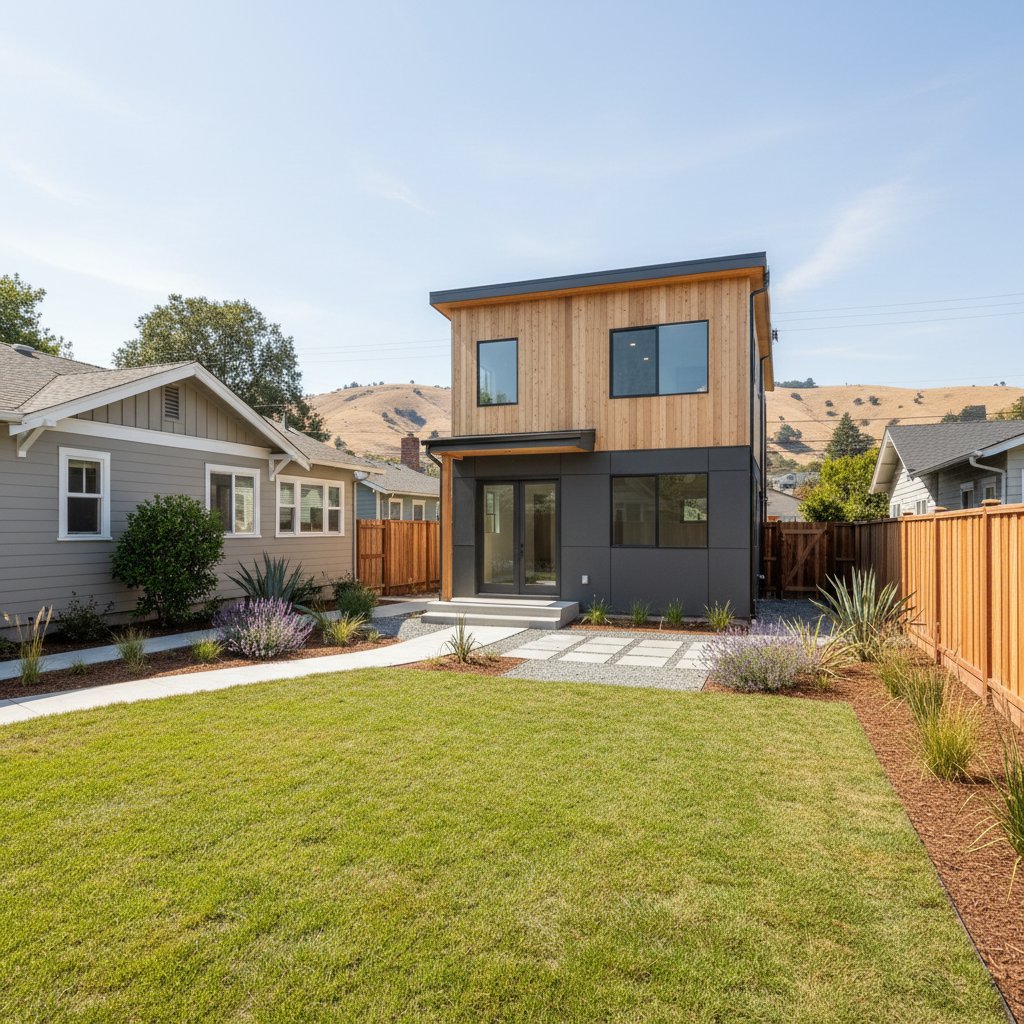
So, you're ready to build an ADU in your Oakland backyard. That's fantastic! It's a big project, no doubt, but with a good plan, it doesn't have to be overwhelming. I've seen countless homeowners go through this, and I can tell you, the ones who prepare properly have a much smoother ride. Let's talk about what you need to know to get your ADU project off the ground.
Understanding Your ADU Timeline
People always ask me, "How long is this going to take?" And my answer is always, "It depends," but I can give you a pretty good breakdown of the stages. It's not just the construction time; there's a lot that happens before we even break ground.
- Initial Planning & Design (2-4 months): This is where you figure out what you want, what you need, and what's possible on your property. You'll work with an architect or designer to create plans. This phase includes site visits, conceptual drawings, revisions, and getting those plans dialed in. Don't rush this part; good design prevents headaches later.
- Permitting (3-6 months, sometimes longer): This is often the longest and most unpredictable part, especially in Oakland. You submit your plans to the city, and they go through various departments – planning, building, fire, public works. There will be comments, corrections, and resubmissions. Patience is key here. Sometimes, if you're in an area with specific geological concerns, like some of the hillside neighborhoods, there might be extra hoops to jump through for soil reports or foundation engineering.
- Contractor Selection (2-4 weeks): Once you have your permits (or are very close), you'll finalize your contractor. This involves getting bids, checking references, and signing contracts.
- Construction (4-8 months): This is the exciting part! The actual build time varies significantly based on the size, complexity, and type of ADU (pre-fab vs. stick-built). A smaller, simpler unit might be on the shorter end, while a larger, custom build will take longer. Weather can play a role too; those winter rains we get can definitely slow things down.
- Final Inspections & Occupancy (2-4 weeks): After construction, the city does final inspections. Once everything passes, you get your Certificate of Occupancy, and your ADU is officially ready!
So, from start to finish, you're generally looking at 10 to 20 months. It's a marathon, not a sprint.
What to Expect During the Process
Building an ADU is a journey, and like any journey, there are ups and downs. Here's what you should be prepared for:
- Noise and Disruption: You're going to have construction in your backyard. There will be noise from tools, trucks, and workers. Your yard might get messy. It's temporary, but it's important to set expectations for yourself and your neighbors.
- Dust: Construction creates dust. Lots of it. We do our best to contain it, but it's a reality.
- Utility Interruptions: At some point, we'll need to tie into your existing utilities – water, sewer, electrical. This usually means short, planned outages. We'll always give you a heads-up.
- Decisions, Decisions: You'll be making a lot of choices throughout the project, from finishes to fixtures. Try to make these decisions early to avoid delays.
- Inspections: The city will send inspectors at various stages (foundation, framing, plumbing, electrical, etc.). This is normal and ensures everything is built to code.
- Communication is Key: Your contractor should be keeping you in the loop. Expect regular updates, and don't hesitate to ask questions if you're unsure about something.
How to Prepare Your Property & Yourself
Getting ready for construction goes beyond just picking out paint colors. Here are some practical steps:
- Clear the Area: Remove anything from the construction zone that you don't want damaged or in the way – garden beds, sheds, old hot tubs, kids' play equipment.
- Secure Pets: Keep your pets safely away from the construction site. Open gates, loud noises, and unfamiliar people can be stressful or dangerous for them.
- Inform Neighbors: A little heads-up goes a long way. Let your immediate neighbors know you're starting a project, what to expect regarding noise, and roughly how long it will last. It helps maintain good relationships.
- Set Up a Communication Plan: Discuss with your contractor how you'll communicate – weekly meetings, phone calls, emails. Establish a primary point of contact.
- Budget for Contingencies: Always, always, always have a contingency fund. I recommend 10-15% of your project budget set aside for unexpected issues that might arise. This is especially true with older Oakland homes where you might uncover surprises once we start digging or opening up walls.
Questions to Ask Before Signing a Contract
This is a big one. Don't sign anything until you're completely comfortable. Here are some crucial questions:
- What's your experience with ADUs specifically in Oakland? Building an ADU isn't the same as remodeling a kitchen. And Oakland has its own quirks with permitting and regulations. You want someone who knows the local landscape.
- Can you provide a detailed breakdown of costs, including allowances for finishes? You need to understand exactly what's included and what's not. If there are allowances (e.g., $X for flooring), make sure you're comfortable with that budget.
- What's your estimated project schedule, and how do you handle delays? Get a realistic timeline and understand how they communicate and manage unforeseen delays.
- What kind of insurance do you carry (General Liability, Workers' Comp)? Can I see proof? This protects both of you. Never work with an uninsured contractor.
- How do you handle change orders? Changes happen. Understand the process for pricing and approving them before they become an issue.
- What's your payment schedule? It should be tied to project milestones, not just arbitrary dates. Avoid contractors asking for a huge upfront payment.
- Who will be my primary point of contact throughout the project? You need one person you can go to with questions or concerns.
- What's your warranty on workmanship? A good contractor stands behind their work.
- Can I speak with past clients and see examples of your ADU work? References are invaluable.
Building an ADU is a significant investment, but it's also incredibly rewarding. Whether it's for family, rental income, or a home office, a well-planned ADU adds real value. At Oakland ADU Solutions, we're here to help guide you through every step. Do your homework, ask the tough questions, and you'll be enjoying your new space before you know it.